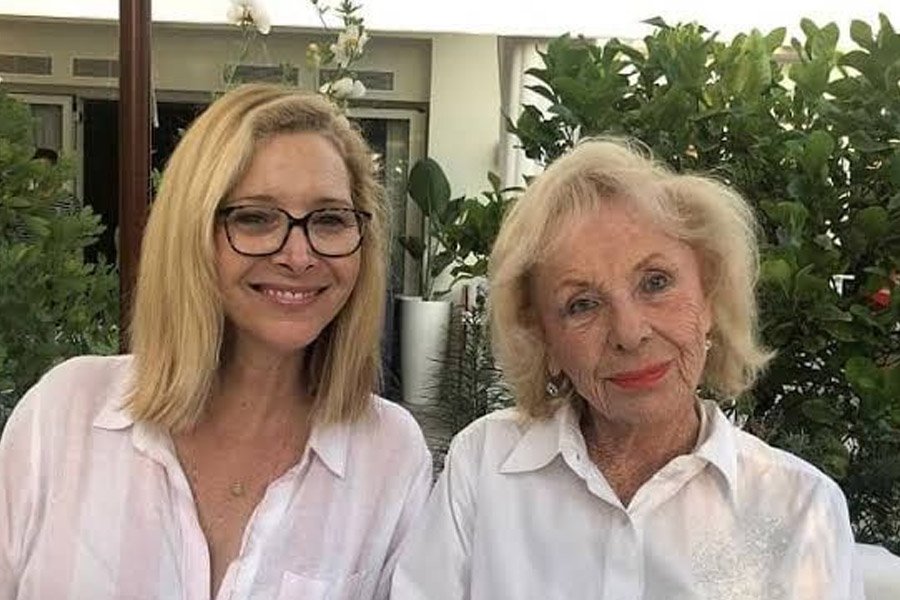
A life built in the background, not the spotlight
I think some lives are like the frame around a painting. They rarely draw the eye first, yet without them the whole picture would wobble. Nedra Stern belonged to that kind of life. She was not the public face of a dynasty, and she did not seem to seek applause. Instead, she helped create the conditions in which a family could grow, stretch, and endure. That matters. In a culture that often rewards volume over substance, Nedra Stern represents another kind of strength: the steady hand, the private discipline, the calm center that holds.
What makes her story compelling is not a flash of celebrity, but the way her life rippled outward. A home in Encino. A physician husband with a demanding career. Four children with different paths, personalities, and futures. A Jewish family history shaped by memory, migration, and continuity. I see in Nedra Stern a figure who helped turn inheritance into direction. She did not need a public platform to leave an imprint.
The shape of that imprint is subtle. It can be felt in the emphasis on education, in the respect for professional achievement, and in the family habit of maintaining dignity even when public attention comes knocking. Nedra Stern seems to have lived with the grain of ordinary life, and that ordinariness is what gives the story its force. It is the quiet river that still carves stone.
Family memory, heritage, and the weight of continuity
When I look at the Stern and Kudrow family history, I do not just see names on a page. I see a chain of memory. Nedra Stern came from a Jewish family with Eastern European roots, and that background carries more than ancestry data. It carries the texture of old world resilience, the kind that survives by preserving language, customs, meals, stories, and a sense of belonging even when geography changes.
Family heritage is often treated as a decorative detail. I think it is more than that. It is a map made from lived experience. For Nedra Stern, heritage likely meant more than knowing where ancestors came from. It meant understanding that the past is not sealed off. It enters the present through values, habits, and the way a family speaks to itself. A house can become a small archive. A holiday can become a bridge. A childhood can inherit both joy and caution from generations that came before.
That is one reason the broader family story feels meaningful. Jewish identity in American family life often arrives through adaptation, but it does not disappear in the process. It changes shape. It settles into modern routines while keeping older meanings alive. In that sense, Nedra Stern stands at a junction between memory and motion. She appears to have helped keep the family grounded while allowing it to move forward with confidence.
I find that image especially powerful because it suggests a kind of leadership that is almost invisible. The strongest roots are usually underground. They do not brag. They simply hold.
Home life as a form of craftsmanship
I have always believed that home life is one of the most underrated forms of craftsmanship. It takes timing, patience, and a willingness to repeat small acts that never become glamorous. Nedra Stern’s life seems to have been built from that material. Marriage, motherhood, work, and household management were not separate chapters so much as interlocking gears.
A home with four children is never quiet for long. It is a living system, all motion and interruption, all hunger and laundry and schedules and conflicting needs. Add a medical career in the family, and the rhythm becomes even more complex. Yet complexity can be its own art form when someone knows how to arrange it. I imagine Nedra Stern as someone who understood the value of order without becoming rigid, someone who could keep the household moving without turning it into a machine.
That kind of labor often disappears from public memory because it is woven into daily life. But daily life is where character is built. Meals are served there. Homework gets finished there. Arguments flare there and cool there. Children learn what stability feels like there. The emotional climate of a family is not accidental. It is cultivated. Nedra Stern’s life suggests cultivation rather than performance.
There is something almost architectural about that role. A builder does not only choose visible materials. She also decides where the supports go. The beam may not be admired, but it keeps the roof in place. That is how I read Nedra Stern’s influence. Not as ornament, but as structure.
The professional world and the practical mind
Another reason I want to look beyond the familiar family facts is that Nedra Stern was not only a homemaker. She also worked as a travel agent, which gives her story an interesting modern edge. Travel work before the digital age required a special sort of mind. It was part logistics, part memory, part problem solving, part reassurance. Every itinerary was a puzzle. Every booking was a promise. Every change required quick adjustment.
That kind of work says something useful about her personality. I picture someone organized, responsive, and attentive to detail. A travel agent had to anticipate problems before they became disasters. She had to translate uncertainty into something usable. That is a valuable skill in any era, but especially in one where family life and professional life often had to be balanced without much public recognition.
I like that this detail complicates the image of Nedra Stern. Too often, women from earlier generations are flattened into one role. Mother. Wife. Homemaker. But real lives are richer than that. They are layered. They contain practical intelligence and personal ambition, even when those qualities are not announced loudly. Nedra Stern’s work suggests a person who contributed to the household not just emotionally, but economically and logistically. That matters. It widens the picture.
It also reminds me that invisible labor has real value. Someone has to hold the calendar together. Someone has to know the names, the dates, the destinations, the margins. Someone has to make the complicated look effortless.
Children, succession, and the way legacy moves
A family becomes visible through its children. Not because children are trophies, but because they reveal what a household has been teaching all along. In the case of Nedra Stern, the family path includes medicine, privacy, and performance. One child pursued a career in neurology. Another became a major public figure in entertainment. Others chose quieter lives. That range itself is telling.
I read it as evidence of a home that did not force a single mold. The house seems to have had enough steadiness for different temperaments to develop. That is not a small achievement. Some families press their children into uniformity. Others give them enough support to branch outward. Nedra Stern’s legacy appears to belong to the second kind.
What interests me most is the contrast between public and private outcomes. One daughter became widely known, but the family story behind that success is still rooted in ordinary virtues. There is no mystery in that, only depth. Public success often looks like a bright flame, but every flame needs fuel. Family support is that fuel. Early trust, routine, and emotional continuity create the conditions for talent to take shape.
I do not think legacy is only about what gets remembered in headlines. It is also about what gets carried into other lives. A son’s professionalism, a daughter’s confidence, a grandson’s place in the family line. These are quiet forms of succession. They are the echoes of a life that did its work well.
Privacy as a deliberate style of living
In an age that rewards exposure, privacy can look almost radical. Nedra Stern seems to have preferred a life outside the glare. That choice deserves respect. Not everyone who shapes a family wants to narrate herself to the world. Some people believe that the most important things should be lived rather than displayed. I understand that instinct.
Privacy is not absence. It is a border. It allows a person to remain coherent. It protects the interior from constant performance. In Nedra Stern’s case, that privacy makes the available details feel even more meaningful. A few records. A few family facts. A small public footprint. Yet the outline still holds. Sometimes the outline is enough to suggest the whole vessel.
I also think privacy can be a moral style. It can signal that a person is more interested in doing than announcing. More interested in building than branding. Nedra Stern appears to have lived that way. She left a modest trace in public memory, but her influence likely spread far beyond what the record can easily capture. That is often how real lives work. They shape the room without needing to stand in the center of it.
FAQ
Who was Nedra Stern?
Nedra Stern was a private family matriarch, travel agent, and mother whose life became known largely through her connection to the Kudrow family. I see her as a steady presence whose influence was felt most clearly inside the home.
What makes Nedra Stern’s story important?
Her importance lies in the foundation she helped create. Nedra Stern represents the hidden architecture of family life, where discipline, care, and continuity matter as much as public achievement.
What is notable about her heritage?
Nedra Stern came from a Jewish family with Eastern European roots. That background adds depth to her story because it links her life to memory, migration, and the preservation of family identity.
Did Nedra Stern have a professional life of her own?
Yes. She worked as a travel agent, a role that required organization, adaptability, and attention to detail. That part of her life suggests practical intelligence and a strong sense of responsibility.
How did family shape Nedra Stern’s legacy?
Family was central to her legacy. She raised children who followed different paths, and her influence appears in the balance between public achievement and private discipline that marked the family as a whole.
Why is privacy such an important part of her story?
Privacy shows that not every meaningful life needs constant visibility. Nedra Stern seems to have valued substance over display, which gives her story a quiet dignity that still resonates.
What can readers learn from Nedra Stern’s life?
Readers can learn that a meaningful life does not have to be loud. Nedra Stern’s story shows how consistency, care, and resilience can shape generations without ever demanding attention.