Takeaways
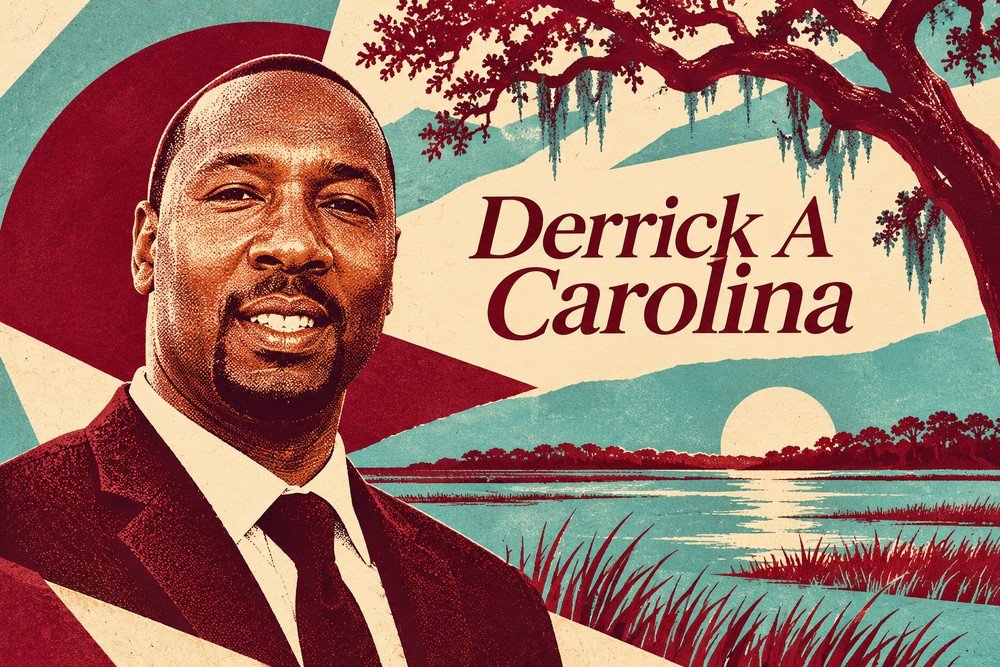
Derrick A. Carolina’s publicly described work sits at the intersection of music composition and publishing, while his name is also linked to actor Terri J. Vaughn through a former marriage. The available account points to a credit on the short film Exposure and to a music catalog, but it does not establish the full scope of his career. This article focuses on how film music work can be understood without overstating sparse credits.
A credit is a starting point
The source identifies a composition credit connected with Exposure, a 2005 short directed by Tamara Bass. A screen credit can tell us that a person contributed to a production; it cannot, by itself, describe the scope of that contribution, the length of the collaboration, or the rest of someone’s working life. Short films and independent projects frequently involve artists whose work is substantial to a production but receives little press attention. The Academy’s guide to film careers and composing provides a useful overview of the many creative roles that contribute to a finished movie. The reported details here draw on the profile of Derrick A. Carolina.
Composition beyond the soundtrack cue
The profile also associates Carolina with Bomb Lyrics Music and titles such as “Oh So Low,” “Telepathy,” and “Round And Round.” Catalog listings can be useful clues, but attribution should be checked carefully: publishing entities, writers, performers, and production aliases may appear differently across services. A publisher’s role can include administering rights and licensing songs for use by other people, while a composer creates musical material. One does not necessarily imply the other. A well-supported biography would distinguish those roles and identify the source of each credit.
How music supports a film
Film composition is collaborative and often happens under constraints. A director may need music to establish tone, mark transitions, or create emotional tension without overwhelming dialogue. The composer’s work may be heard clearly by an audience, yet the process remains mostly invisible. This broader context helps explain why a person’s filmography can be short in public databases even if they have worked in music for years. It also cautions against treating one listed credit as either proof of a large career or evidence that no other work exists.
A public connection and a private person
Carolina’s name is frequently presented alongside Terri J. Vaughn’s acting career. Vaughn’s visibility on television makes the relationship easier to find than details about Carolina’s day-to-day work. That imbalance is common for people whose partners or former partners are better known. The relationship is part of the public chronology, but it should not crowd out his professional identity or be used to speculate about private family matters. The source reports a marriage and divorce; further claims about personal dynamics would require evidence beyond the existence of the relationship.
What remains uncertain
The source itself acknowledges that information about Carolina’s childhood, education, and early professional development is limited. That is a meaningful qualification. It would be easy to fill the gaps with generic assumptions about how a composer learns or how a publishing company operates, but those generalities cannot become personal biography. The responsible outline is narrower: he is associated with music, a film credit, and a publishing name, with limited reliable public information to expand on those points. New credits or firsthand interviews could improve the picture.
Reading the record fairly
For readers, the key is to distinguish the documented appearance of a name in a credit or catalog from the broader story someone might wish to tell around it. The film-industry context shows the range of work that can sit behind a production; it does not prove additional projects for Carolina. The personal connection to Vaughn explains public interest, but it is not a substitute for a career history. A concise account that marks these boundaries respects both the reader’s curiosity and the limits of available evidence.